



Hot sauce sells on personality. The category is wide, from mild fruit salsas to searing ghost pepper blends. Every style competes on the shelf before anyone reads the label. The heat, the label, and the pour all shape how a customer remembers your brand. For many makers, glass bottles deliver that premium feel while standing up to acidic, vinegar-forward recipes. The right cap then controls how the sauce lands on the plate.
Glass works for hot sauce because the sauce works against almost any other material. Acids, chili oils, and fermentation byproducts challenge packaging more than most food products do. This guide covers the shapes, closures, and safety basics that bring the whole package together.
Why Glass Bottles Suit Hot Sauce
Glass bottles win on two fronts: protection and presentation. Glass is inert, so it won't react with vinegar, citric acid, or capsaicin oils. As a result, your sauce keeps its flavor and color from the first jar to the last. The non-porous surface also resists oil absorption and odor transfer, which matters for complex blends with multiple peppers.
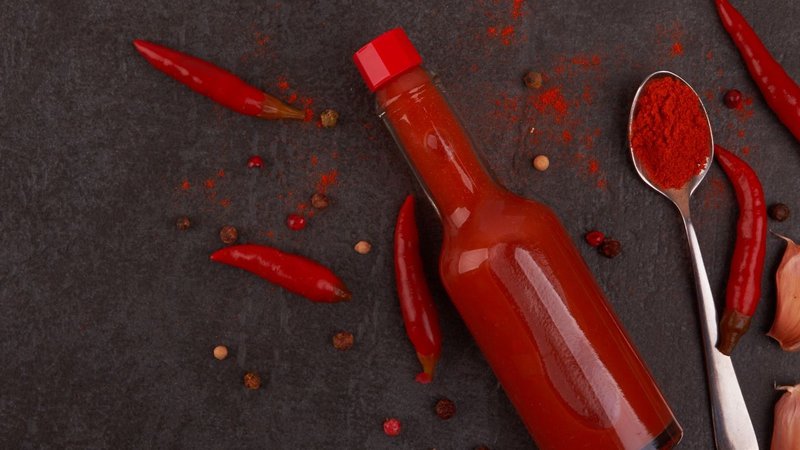
Glass also reads as premium on a crowded shelf filled with plastic bottles. Clear glass shows the sauce's true color while amber tints shield light-sensitive blends. Therefore, glass is the safe default for vinegar-heavy and citrus-spiked sauces. Compare Richards' hot sauce range to see the clear and amber side by side.
Choosing Between the Woozy and Boston Round Glass Bottles
Shape drives both branding and function. The woozy bottle is the classic hot sauce silhouette, tall and narrow with a long neck. Its slim opening releases a thin sauce drop by drop. The woozy shape also fits standard restaurant caddies, which chefs appreciate. The Boston Round, by contrast, is shorter and rounder. It suits thicker sauces and salsas that need a wider mouth. For example, a chunky habanero blend pours better from a Boston Round. Necks matter too, since most hot sauce caps share a common thread finish. That standard keeps the reorder process simple as you scale. Ultimately, your sauce's body and your shelf plan point to one shape or the other.
Dispensing Closures That Control the Pour
Aside from the glass bottles, the closure shapes the customer's experience as much as the recipe does. A reducer or orifice fitment slows a fiery sauce to a careful drip. Hole sizes vary across reducers, so a thinner sauce gets a smaller opening.
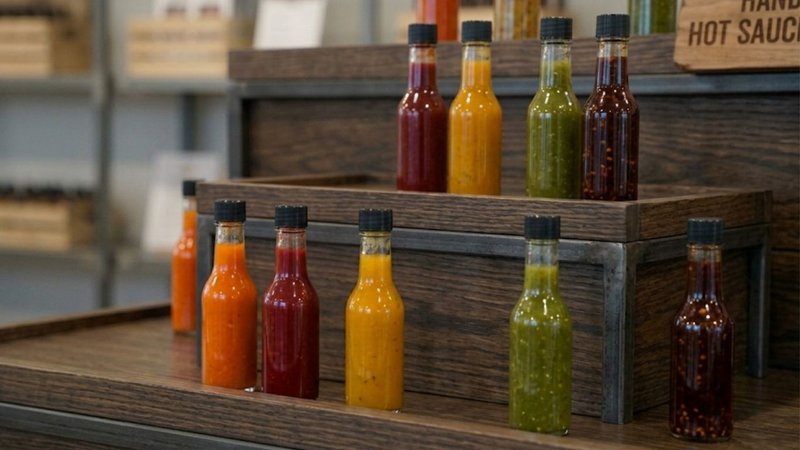
A flip-top, in contrast, lets a milder sauce flow faster. Snap-on caps also speed up filling on a busy line. Therefore, match the closure to both the sauce and the production setup. Richards stocks dispensing tops and threaded lids that fit standard hot sauce necks. A tamper-evident band then adds a layer of trust at the shelf. In short, the cap is part of the recipe, not an afterthought. Some orifice reducers and dispensing caps are special order items with MOQs.
Packing Glass Bottles for Safe Shipping
Food safety starts with materials that a buyer can trust. The bottle and the cap both count as food-contact materials, which the U.S. Food and Drug Administration reviews for safety. Glass holds up well here, since it won't leach chemicals into an acidic sauce the way some plastics can.
Shipping is still the next hurdle, because glass bottles travel less forgivingly than plastic. At Richards we pride ourselves on making sure each delivery arrives in good shape using sturdy dividers and snug cases also keep bottles from knocking together in transit.
Premium glass bottles featuring a controlled pour make a hot sauce feel finished. Browse our catalog of high-clarity containers that complement your recipe and fit your shelf. Contact us if you'd like help pairing a shape with the right closure.


